For homeschool parents raising teens into capable adults

Raising teens
means changing
jobs.

I’m Azizi. I help homeschool parents transfer real-life ownership, so their teens get practice making decisions, following through, and handling what comes next.

We use meaningful projects to put learning to work and build a living portfolio of what they can actually do. Not just a record of what they’ve studied.

See what your teen already handles and where to begin.

16 years homeschooling globally
Mother of two teens · Author · Creator of Tiny Green Chef

Azizi Tuere
I quit teaching. I started guiding.
The teen years are a transfer season.
Your teen grew. Your role has to.

Finishing schoolwork isn’t the same
as being ready to run your life.

They can pass the test. But can they make a plan, manage their time, ask for help, and change course when something doesn’t work?

Those are things we need to let them practice. If we keep making every decision, we don’t get to see which ones they’re ready to make.

That doesn’t mean stepping away. It means knowing where to step back and where your guidance still matters.

Before we choose another project,
let’s look at what they’re ready to own.

Start here · A free reflection guide

You don’t need to worry
about every gap.
Find the next one.

The Adult-Ready Check-In helps you see what your teen already handles, where they need more practice, and what you might be ready to hand over.

Ten minutes to stop circling “Are we doing enough?” and find something useful to work on together.

Free. No grades. No perfect-parent score.

Illustrated compass The Adult-Ready Check-In

What can they carry?
What still needs you?

  1. Notice what they manage independently.
  2. Look at where your support is still needed.
  3. Choose one next step to discuss together.

A conversation starter, not a test or a diagnosis.

Why we use projects to build adult readiness

A project isn’t automatically
project-based learning.

A finished poster can show that your teen followed the instructions. It may tell you very little about what happens when nobody hands them the instructions.

Making something to show the lesson

“Research food waste.
Make a presentation.”

They can learn useful things doing this. But if the question, sources, steps, and answer are already laid out, most of the decisions still belong to the adult.

Learning through a real question

“Can we cut our food waste
without spending more?”

Now they need to find out what gets wasted, keep a record, compare costs, propose a change, and see whether it helps.

Writing, maths, research, and communication have a job to do. So do judgment, negotiation, and follow-through.

The project gives them a reason to learn.
The decisions give them a chance to grow.

The subject isn’t what makes the difference. It’s the inquiry, decisions, feedback, and revision built into the work.

That is the distinction behind the projects I’ve helped my daughters develop. The finished work matters. So does what they had to learn and handle to get there.

Azizi, Ole, Kaja and Kamilla
With Ole, Kaja, and Kamilla.
Meet Azizi Tuere

I don’t just talk about
project-based learning.
We’ve built a life with it.

For 16 years, I’ve homeschooled my two daughters around the world. Along the way, their interests have become a cooking course, a published book, businesses, and recorded music.

My role wasn’t to become an expert in everything they wanted to do. It was to recognize the opportunity, help shape a real project, and find the resources and people who could help them take it further.

I bring my experience as an author, workshop host, and creator of Tiny Green Chef to that work. I know what it takes to move from an interesting idea to something another person can read, use, or learn from.

Now I help parents see those opportunities in their own teens, and work out what to do with them.

Three interests. Three different directions.

Here’s what that has
actually looked like.

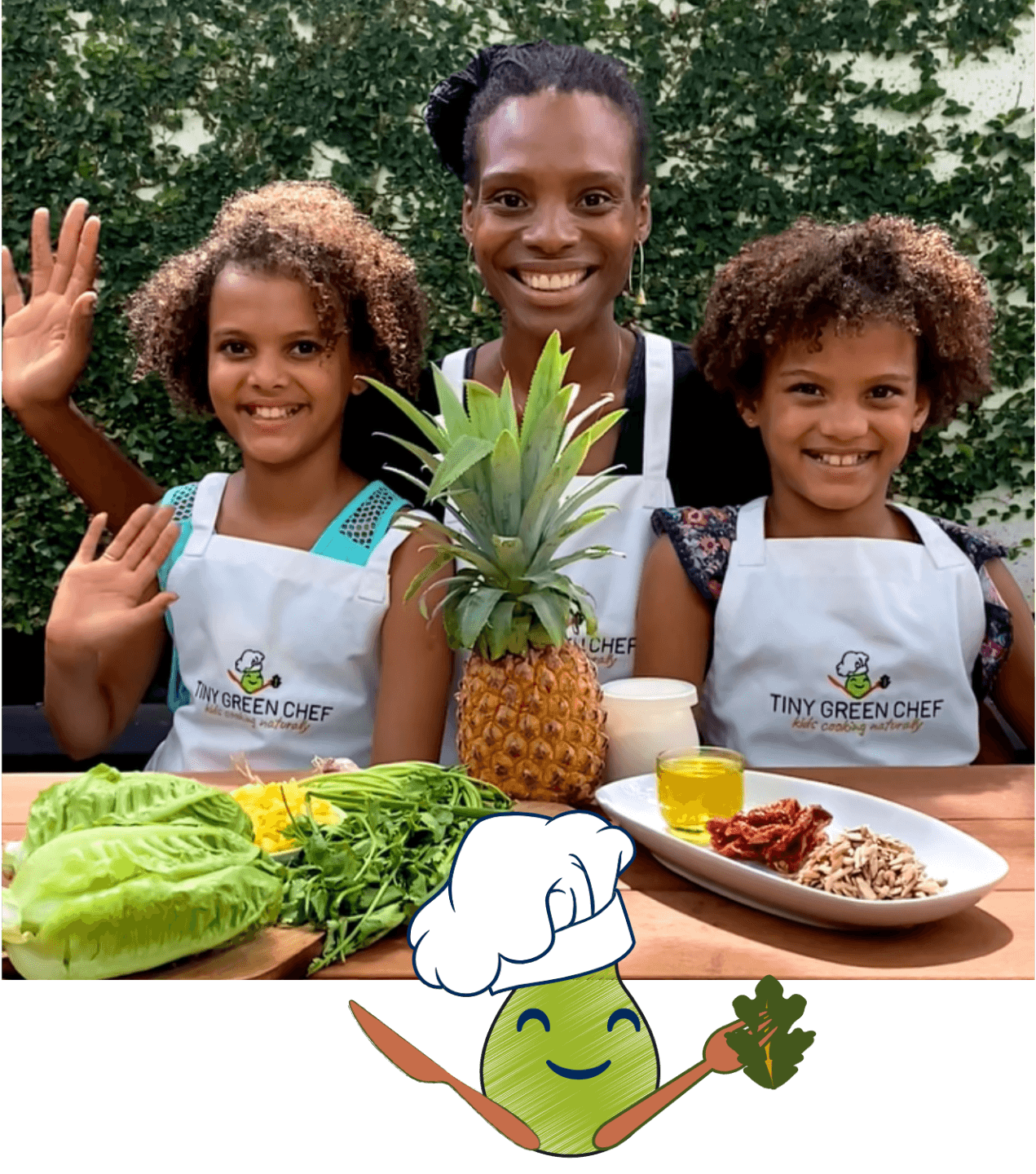
Tiny Green Chef
01 · Tiny Green Chef

“Vegan food can be fun.”

One daughter wanted to prove it. With the girls aged eight and ten, we developed the idea into Tiny Green Chef, a children’s cooking course.

1,000+ families enrolled. A personal interest became something other families could use.

What made it learning: Explaining a process, communicating on camera, producing lessons, and introducing something to an audience.

Visit Tiny Green Chef →
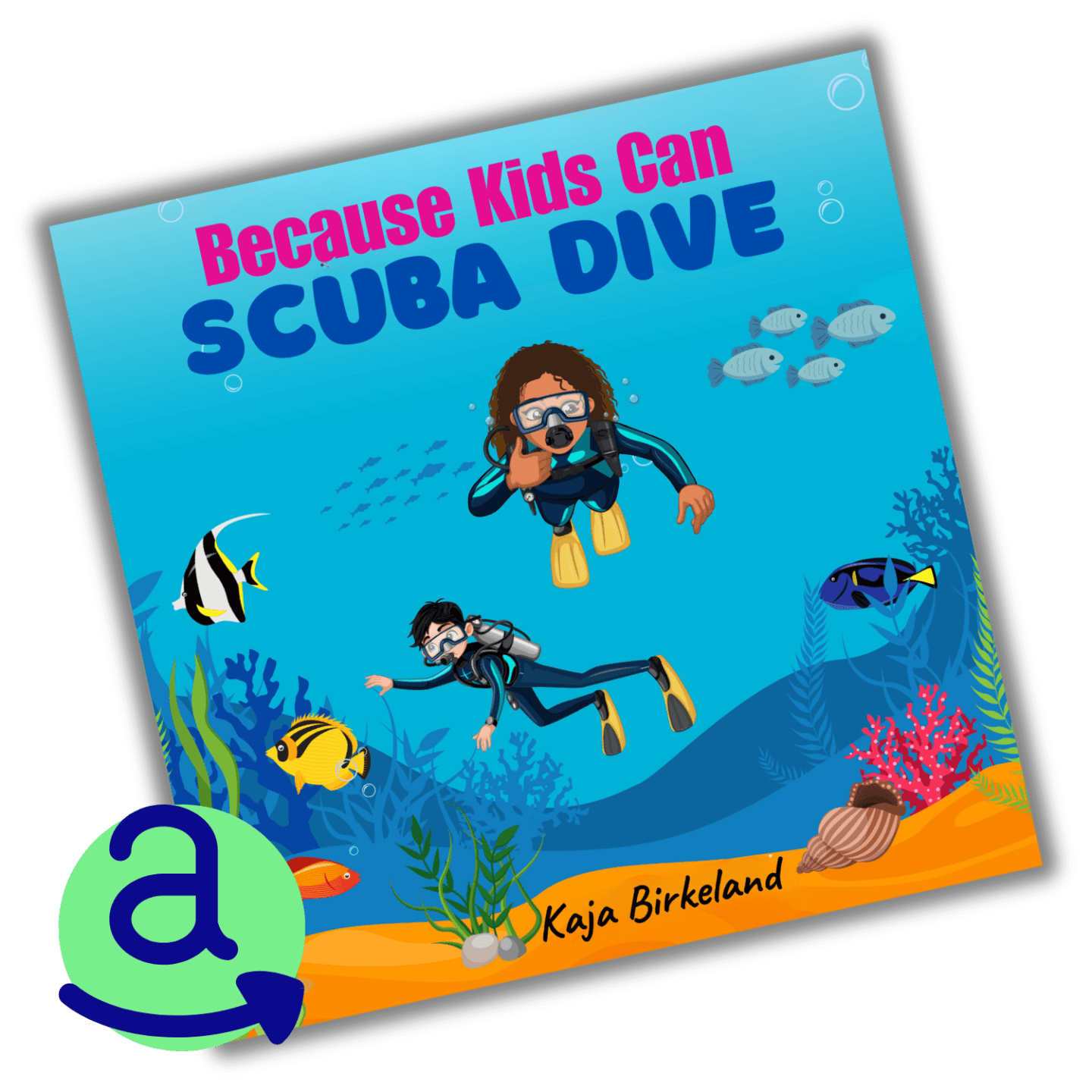
Because Kids Can Scuba Dive by Kaja Birkeland
02 · Because Kids Can Scuba Dive

“I want to be a writer someday.”

We helped Kaja take that ambition seriously now. She wrote and published Because Kids Can Scuba Dive.

A published book that continued to sell. Writing had a reader, not just someone marking the page.

What made it learning: Shaping a story for other people, staying with the work, and bringing it through to publication.

See the book →
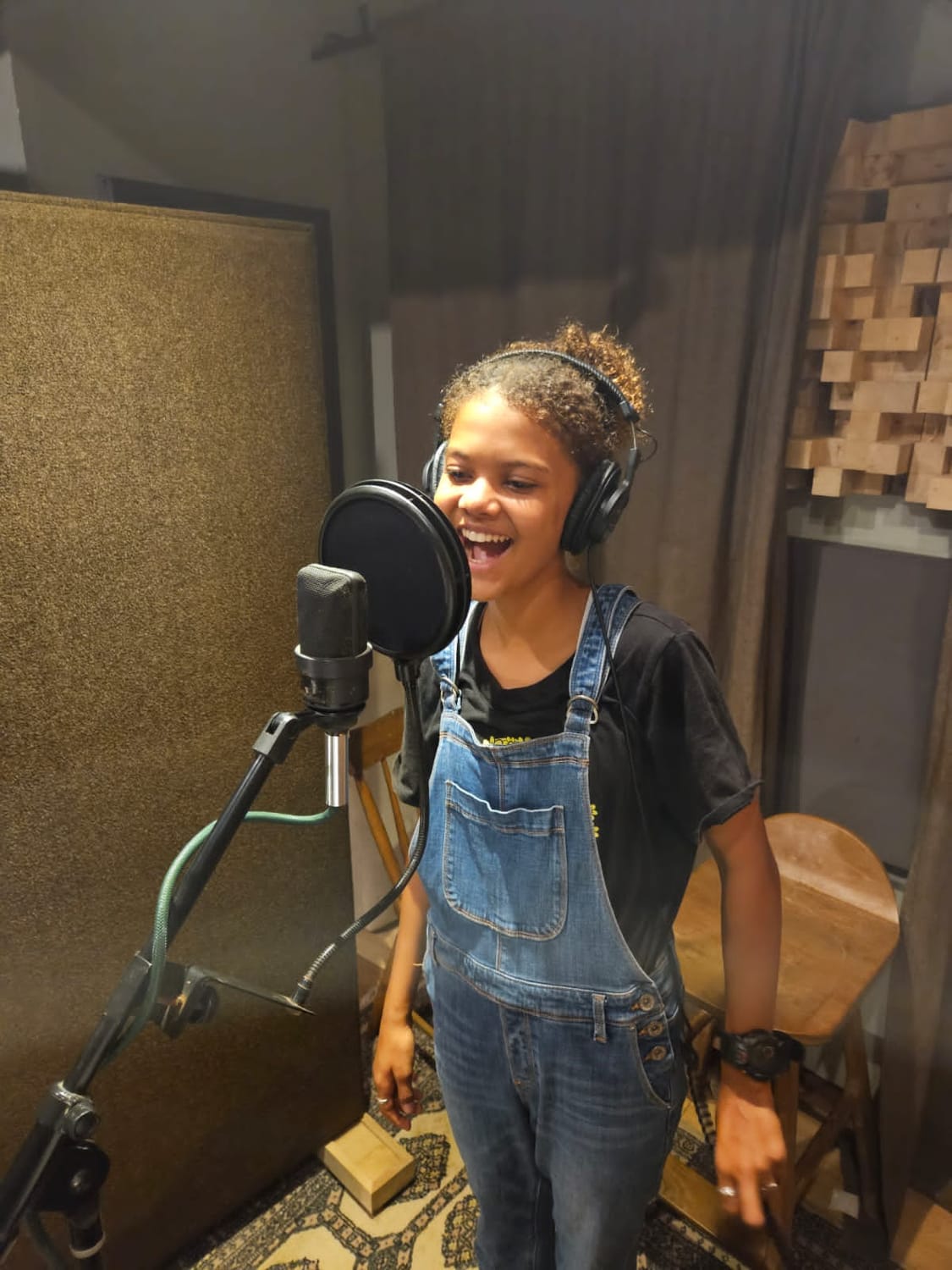
Kaja recording music in the studio
03 · Kaja’s music · In My Dreams

A love of music needed room to grow.

We supported Kaja with stage opportunities, vocal coaching, and a producer partnership. Her music became performances and a recorded album.

An album on Spotify.
Invitations to perform again.
Practice led to work she could share beyond our home.

What made it learning: Preparing, collaborating, performing, and developing an idea with other people.

Listen to Kaja on Spotify →

The point is not that your teen needs a business, a book, or an album. It’s that an interest can become much more than another activity when someone knows how to help it develop.

From completed subjects to visible capability

A transcript lists the learning.
A living portfolio lets you see it.

The book, the course, and the album are more than items on a résumé. Together with the work behind them, they can show how an idea developed and what the learner contributed.

A transcript might record

English. A grade. A credit.

Useful information about academic progress. But that line alone doesn’t show how the writing changed, whose feedback mattered, or which decisions the teen made.

A living portfolio can show

The writing.
And the writer growing.

  • The question or purpose they started with.
  • Research, drafts, and feedback they used.
  • What they changed and why.
  • The finished work and their own contribution.
  • What they handled independently and where they had support.

Not just “I took a class.”
“Here is what I can do, and how I got there.”

I call it a living portfolio because it keeps developing. Not a scrapbook of best moments, but a growing record of work, choices, and progress your teen can explain.

A transcript may still be needed. This isn’t about throwing it away. It’s about not letting it be the whole story.

Once you can see the work this clearly, you can make a better decision about what your teen should take on next.

How that becomes useful to your family

You bring the teen you know.
I help you see what you can build.

The projects above look different, but the parent’s work has a pattern: notice the interest, give it a useful direction, and create the conditions for the teen to do more of the thinking and doing.

You don’t have to invent a whole curriculum or know how the finished project will turn out. Here are the decisions I help you make.

01 / Choose

What is worth
building on?

Find an interest your teen actually has. Turn it into a project with a purpose, rather than an activity you have to persuade them to care about.

02 / Shape

What will this
project teach?

Identify the research, writing, numbers, making, or communication involved. Choose a scope your family can manage and resources that support it.

03 / Guide

Which decisions
can become theirs?

Work out what your teen can plan and carry, what they still need you for, and how you’ll review progress without taking over the project.

That is what we’ll put into practice
in the Project to Portfolio Bootcamp.

Project to Portfolio · Live Bootcamp

They have an interest.
Let’s give it somewhere to go.

Help your teen turn “I’d love to…” into a project they can plan, work through, and be proud to finish.

Illustrated tools for creating and exploring

You don’t need another list of project ideas. You need to know how to choose one that fits your teen, make it manageable, and guide it without doing all the thinking yourself.

We’ll use your teen’s actual interest to work out what they could make, investigate, or share. Then we’ll map the learning and decide what they can own.

A real project. A clear starting point. A useful role for both of you.

What we’ll work toward
  • A project with a clear purpose and a finish you can picture.
  • A simple plan for the research, skills, and resources it needs.
  • Decisions your teen can own, with agreed points for your support.

Practical guidance, planning tools, and SparkMate to help you develop the idea. You remain the guide.

Join the bootcamp interest list

Be first to receive the dates, format, and enrolment details.

Guides & Tools · Yours to use

A little clarity.
A practical place to begin.

Start with their curiosity

Interest-to-Project
Guide

Explore how something your teen already cares about could become something worth making or investigating.

Get the free guide →
Rethink your role

The Untold Guide
to Homeschooling

Step back from the curriculum hunt and look at the bigger job you’re doing as a homeschool parent.

Get the free guide →
Protect what matters

Childhood
Protection Guide

Make room to consider the childhood you want to protect, alongside the education you want to provide.

Get the free guide →
Work with me · Personal support

Want help shaping this
around your teen?

Bring me the interest that’s going nowhere, the project that keeps expanding, or the homeschool plan that still depends on you directing every step.

I can help you choose a workable direction, identify the learning and resources, and decide where your teen can take more ownership.

Start with an enquiry about your family and what you want help with.

Enquire about personal support →
A blue illustrated hand supporting a colorful plant
Begins September 21 · Something just for the homeschool mama

You’re holding a lot.
Come put some of it down.

The Unbound Mama is a sweet six-week writing ritual made specifically for homeschool mamas. Fifteen minutes, three days a week. Come write with me live, or use the recordings when the house finally gives you a minute.

You don’t need to be a writer. A free hand and a bathroom break will do.

Each week includes a gentle community sharing space and one small treat made only for you. Maybe a beautiful playlist, a recipe worth making, or a humorous coloring page that does not need to become a lesson for anybody.

No grades. No catching up. No pressure to share. Just a warm little place to hear yourself think while you do the very big work of raising and educating your children.

The conversation continues

Your job isn’t to prepare them
for every future.
It’s to help them meet one.

I write about the things that make us rethink how we parent, homeschool, and make room for the people our children are becoming.

Real stories. Useful ideas. The occasional bruise to my ego.

Azizi Tuere

Parent growth. Project learning. A life of their own.

Join The Parent Shift

Mother of two teens. 16 years homeschooling across countries. I write about the shift from managing childhood to preparing capable adults.

© 2026 Let Your Light Shine Press. All Rights Reserved.